Cranberry Christmas Salad
Old family favorite for years. If I don't make it, I never hear the end of it.
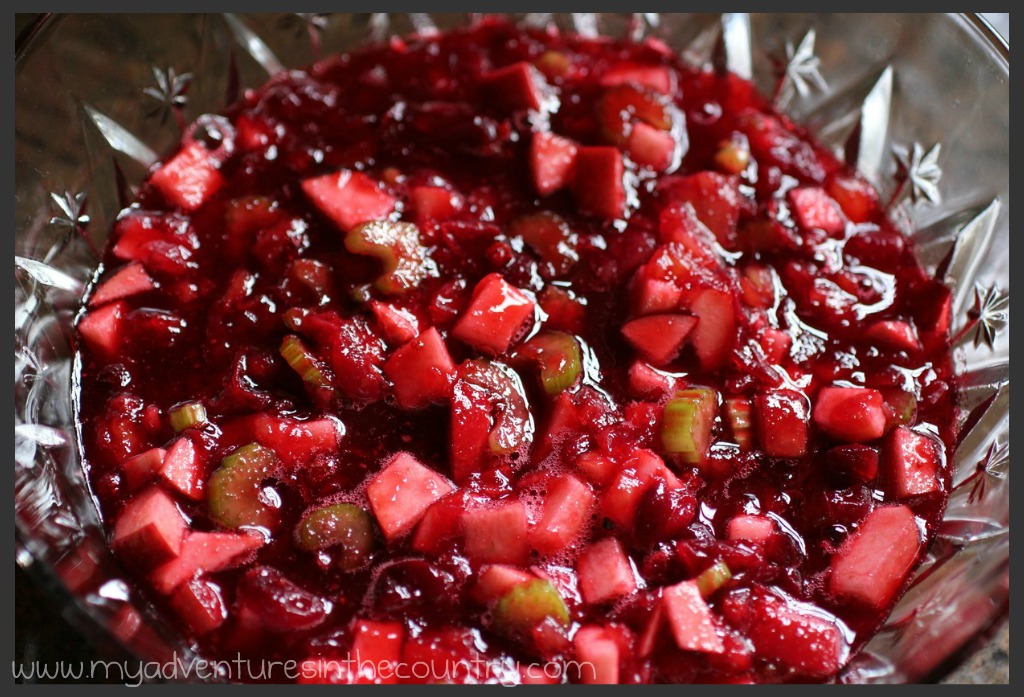
Old family favorite for years. If I don't make it, I never hear the end of it.
- Carbohydrate 14.9860332121309 g
- Cholesterol 0.0363636363636364 mg
- Fat 0.307970820864485 g
- Fiber 0.854508281918664 g
- Protein 0.447112462593455 g
- Saturated Fat 0.222166808385503 g
- Serving Size 1 1 Serving (50g)
- Sodium 1871.92215783592 mg
- Sugar 14.1315249302122 g
- Trans Fat 0.0304159920914424 g
- Calories 60 calories
Step-by-step
- Freeze Cranberriesl
- Once frozen, puree in food processor and put in separate container.
- Add ,5 cup of sugar and mix.
- Put in refrigerator overnight.
- Next day cut grapes and marshmellows and place in bowl with cranberry puree.
- Add Coolwhip and mix.
- Place in refrigerator to chill.
- Serve
Operating without a stove requires relying entirely on mechanical preparation and chemical resting phases to build texture. Raw cranberries present an aggressive acidity and a firm pectin structure that demands overnight maceration with granulated sugar to soften the cellular walls. Tossing the pulsed berries with sugar draws out moisture through osmosis, mitigating the astringency of the fruit before it meets the remaining components.
Regional iterations of mid-century molded fruit salads frequently appeared across the American Midwest and Upper South during holiday gatherings, functioning as palate cleansers rather than heavy desserts. Culinary anthropology traces these dishes to the proliferation of commercial gelatin products and frozen convenience items in the mid-1900s. Modern adaptations shift away from gelatin molds toward lighter, folded formats that prioritize distinct textural contrasts over uniform setting.
Utilizing fresh cranberries introduces sharp, volatile organic acids that create a vibrant profile absent in commercially canned preserves, which undergo thermal processing that degrades bright fruit esters. Freezing the raw berries prior to processing shatters the cell walls internally, yielding a finer purée in the food processor without generating excess heat from prolonged blade friction. Cutting marshmallows with kitchen shears dipped in hot water prevents the high-sugar confection from sticking to the blades during the segmentation process.
Folding the ingredients together gently preserves the trapped air within the whipped topping, maintaining a light mouthfeel that contrasts against the dense, chewy marshmallow pieces. Chilling the mixture for at least two hours allows the sugar syrup to fully permeate the halved red seedless grapes and hydrate the marshmallow surfaces. Storing the finished dish in an airtight container in the refrigerator for up to twenty-four hours melds the flavors while maintaining structural integrity before service.



