Left-Over Food if Any
Left-Over Food if Any. I discourage cooking large portions of food every meal to avoid any food waste.
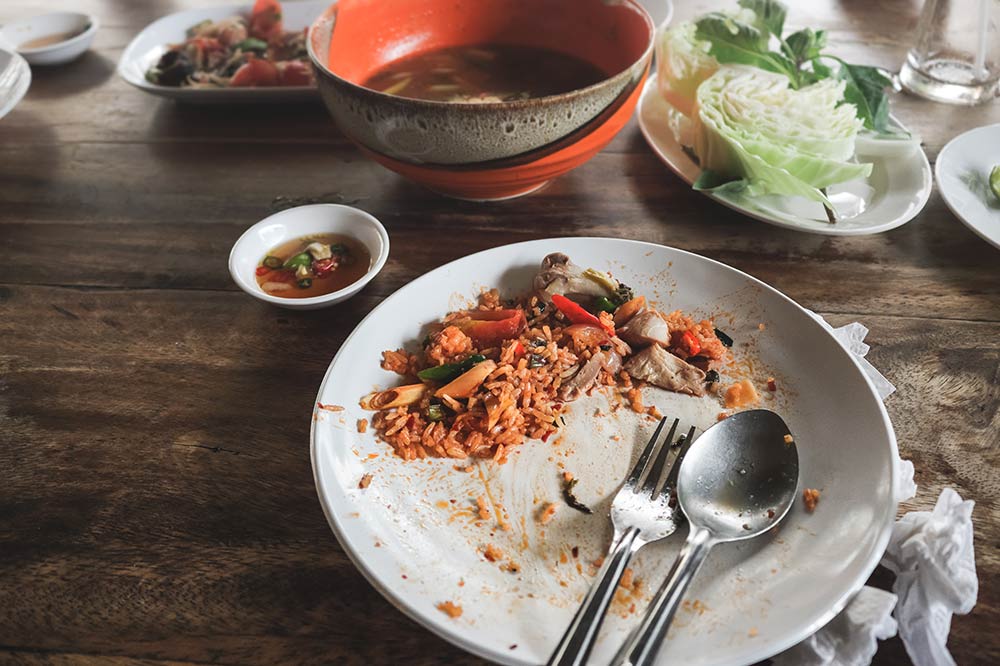
Left-Over Food if Any. I discourage cooking large portions of food every meal to avoid any food waste.
- Carbohydrate 0 g
- Cholesterol 0 mg
- Fat 0 g
- Fiber 0 g
- Protein 0 g
- Saturated Fat 0 g
- Serving Size 1 1 Serving (0g)
- Sodium 0 mg
- Sugar 0 g
- Trans Fat 0 g
- Calories 0 calories
Step-by-step
- Re-heat any left-over food as applicable.
Left-Over Food: A Housewife's Perspective on Minimizing Waste
As a busy housewife, juggling work, family, and a million other things, the last thing I want to deal with is food waste. It’s disheartening to see perfectly good food end up in the trash, not to mention the environmental impact. That's why I've adopted a simple philosophy: cook only what we need. This isn't always easy, of course. There are times when we accidentally make too much, especially when I'm trying a new recipe or cooking for a larger gathering. But the key is to be mindful and plan ahead. I find that meticulously planning my weekly meals helps enormously. I create a detailed shopping list based on those plans, ensuring I only buy what we'll realistically consume. This approach significantly reduces the chances of ending up with excess food. I also make sure to utilize leftovers creatively. What was last night's dinner can easily become today's lunch or a component of a completely different meal. A little creativity can go a long way in transforming leftovers into exciting new dishes.
My family is surprisingly adaptable. They're not always thrilled about eating the same thing two days in a row, but they understand the importance of reducing waste. We've started incorporating "leftover nights" into our routine, where we intentionally feature leftovers as the main course. This takes the pressure off cooking a completely new meal and allows us to appreciate the food we've already prepared. It's also a great way to experiment with new flavor combinations by incorporating leftovers into other dishes. For instance, leftover roasted chicken can become a delicious chicken salad sandwich or a flavorful addition to a pasta dish. Similarly, leftover rice can be the base for fried rice or a hearty rice pudding. The possibilities are endless. Beyond the environmental and economic benefits, minimizing food waste has also positively impacted our family’s eating habits. We've become more conscious of portion sizes and more appreciative of the food we consume. It's a win-win situation: less waste, less stress, and happier tummies.
I often find myself sharing these tips with friends and neighbors, particularly other busy moms. Many express similar frustrations with food waste. The good news is that even small changes can make a significant difference. It all starts with planning, mindful shopping, and creative repurposing of leftovers. We've all been there, staring at a mountain of leftover food and wondering what to do with it all. But with a little effort, these leftovers can be transformed into delightful and satisfying meals. Remember, cooking should be enjoyable. By focusing on reducing waste, we can make the cooking process more efficient and less stressful, leading to happier cooks and happier families. The key is finding a balance between enjoying a variety of foods and avoiding unnecessary waste. This simple mindset shift has made a noticeable impact on our lives, and I highly recommend it to anyone looking for a more sustainable and stress-free approach to cooking and eating.
Beyond the kitchen: The principles of minimizing waste extend beyond our dinner table. I’ve started implementing similar practices in other areas of our lives, from reducing our use of single-use plastics to being more mindful of our consumption habits. It’s a holistic approach to living more sustainably and consciously. The act of reducing food waste has opened my eyes to the interconnectedness of our choices and their wider impact on the environment and community.
Tips for managing leftovers:
- Proper storage: Store leftovers in airtight containers to maintain freshness and prevent spoilage.
- Label and date: Label containers with the contents and date to help track how long leftovers have been stored.
- Freeze for later: Freeze leftovers that you know you won't eat within a few days.
- Get creative: Don't be afraid to experiment with transforming leftovers into new dishes.
- Share with others: If you have an excess of leftovers, consider sharing them with friends, neighbors, or family members.



