Spinach Dip in Bread Bowl
There are several recipes for this, but I think the dry vegetable soup mix makes this particular recipe soooo much better This is always a hit at gatherings and the first to go
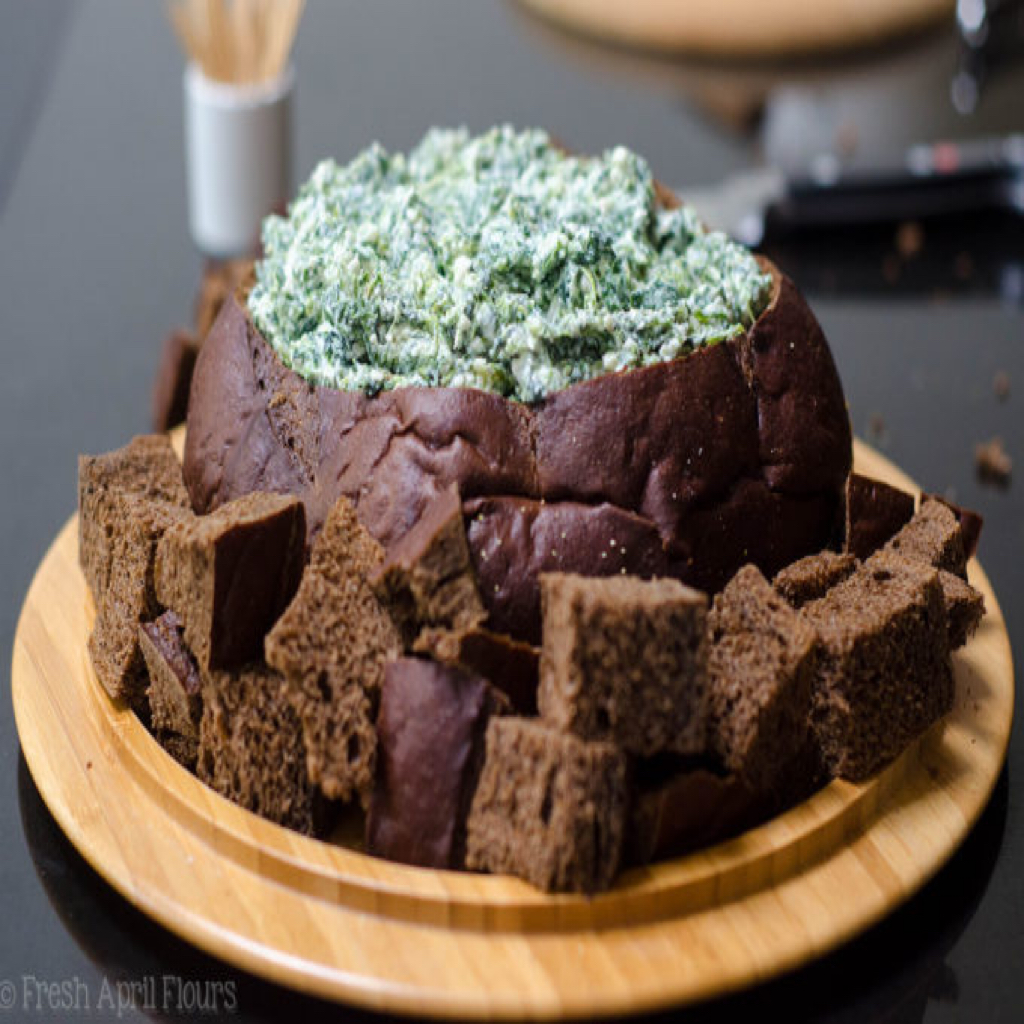
There are several recipes for this, but I think the dry vegetable soup mix makes this particular recipe soooo much better This is always a hit at gatherings and the first to go
- Carbohydrate 136.023323 g
- Cholesterol 42.37285 mg
- Fat 33.602022625 g
- Fiber 11.315377640748 g
- Protein 26.707052875 g
- Saturated Fat 10.1127253125 g
- Serving Size 1 1 Serving (378g)
- Sodium 2246.20635 mg
- Sugar 124.707945359252 g
- Trans Fat 3.01404323750001 g
- Calories 940 calories
Step-by-step
- Cook spinach according to package directions and drain very well. I line a bowl with paper towels to make sure I squeeze out as much liquid as I can.
- Combine spinach with the remaining ingredients and mix well. Before adding the dry vegetable soup mix, I empty the packet into a sandwich bag and crush with a rolling pin so I don't have big dried chunks. It seems to blend better with the other ingredients. Chill until ready to serve.
- Hollow out the center of the round loaf of bread and fill with mixture.
- Or if making ahead, chill in a container, not in the bread bowl itself. The bread will tend to be soggy at serving time.
- Slice up the scooped out center and the other loaf of bread into big bite sized chunks.
- Surround the bread bowl with the chunks on a party platter.
Unlike hot artichoke dips served straight from the oven, cold spinach dips rely on emulsion stability rather than thermal melting for their texture. Mayonnaise provides a continuous oil-in-water phase while sour cream introduces lactic acid, which tightens the protein matrix and thickens the base. Dehydrated vegetable soup mix adds umami through free glutamates, seasoning the dairy fats evenly without introducing excess liquid.
Moisture management remains the single variable determining structural integrity. Squeezing cooked spinach inside paper towels removes free water that would otherwise break the mayonnaise emulsion, turning a thick spread into a watery paste. Crushing the dried soup mix finer increases its surface area, allowing the seasoning flakes to hydrate fully during the resting window rather than remaining gritty.
Constructing the vessel requires hollowing out a sturdy loaf while leaving a shell thickness of at least one inch to prevent structural collapse under the weight of the dairy filling. Chilling the dip inside a separate sealed container for two hours before assembly ensures the flavors meld while keeping the crumb dry. Storing the dip inside the bread bowl leads to moisture migration, saturating the starch within four hours.
Leftover spinach dip kept separately from the bread maintains quality for up to three days in the refrigerator at 38 degrees Fahrenheit. Stale bread chunks can be tossed in olive oil and baked at 350 degrees Fahrenheit for twelve minutes to create crisp croutons, utilizing the remaining loaf without waste.



