Ranchero Sauce
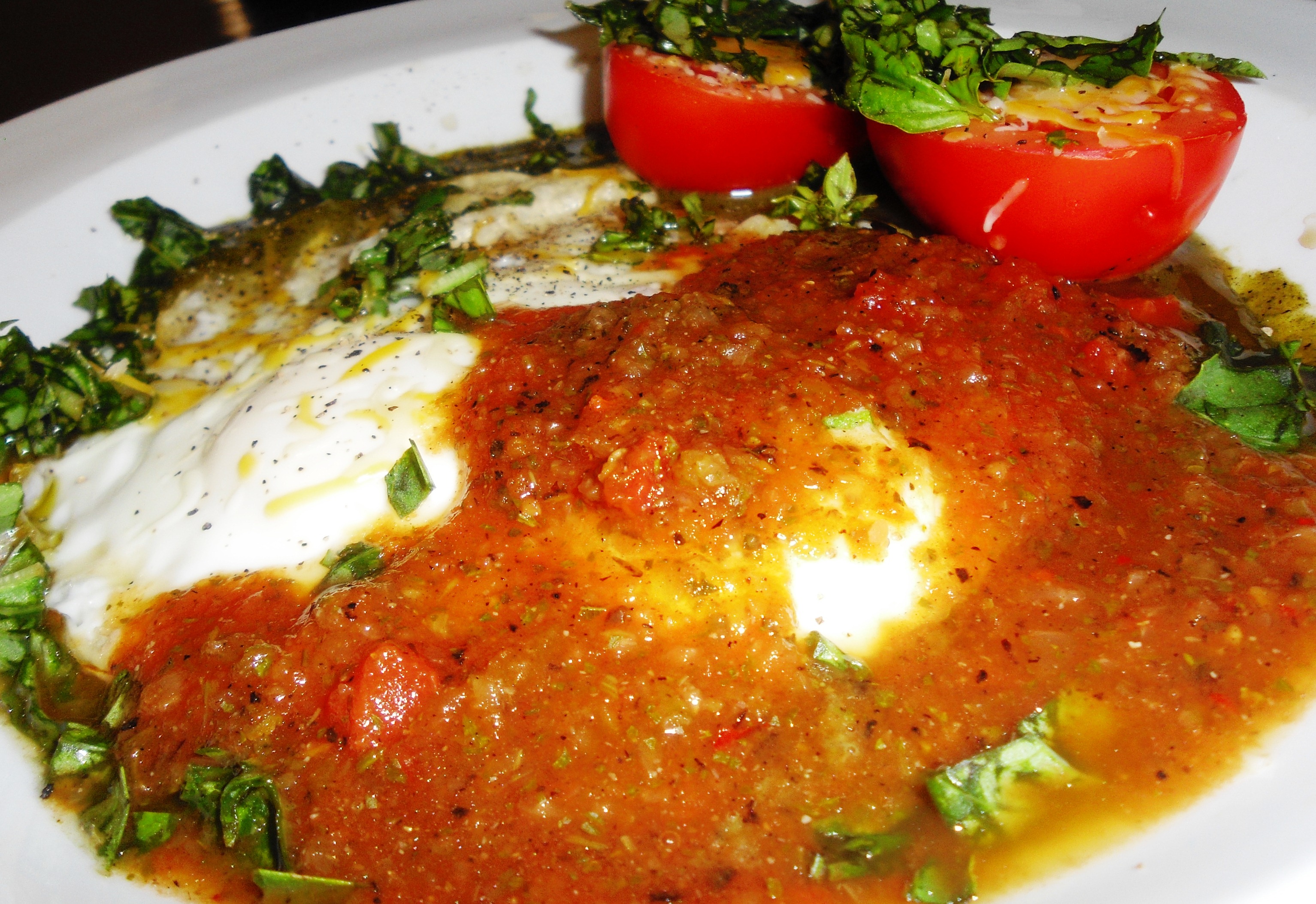
I live in Austin, Texas and there are many Mexican and Tex Mex restaurants in the area. All of them offer the standard Mexican sauces like red and green salsa and Pico de Gallo. They wouldnt survive here long if they didnt. For those who consider themselves connoisseurs there is a Hot Sauce competition somewhere in Texas every month. We Texans love it hot. The cookbooks and the Internet are full of recipes for these salsas. But one of the sauces that is often overlooked in favor of its more popular cousins is Ranchero Sauce. Ranchero sauce is not the same as salsa. Both are cooked sauces and both use similar ingredients, but they are not similar in taste. Salsas feature a strong tomato taste, ranchero sauce has more onion flavor. According to Rick Bayless, you can almost bet that anything ranchero or a la ranchera will come in a coarse, picante tomato sauce-what you might expect for ranch style. The picante can be little serranos (or habaneros in Yucatan), dried chiles de arbol, even chipotles or long green chiles-whatever happens to be the regional choice or the find of the moment. Ranchero sauce is primarily used as a sauce for southwestern egg entrees like huevos rancheros and some omelets. I have found however that a good ranchero sauce can also be used at lunchtime, for example as a sauce for fried green tomatoes, and at dinnertime, as a sauce for meat loaf.
I live in Austin, Texas and there are many Mexican and Tex Mex restaurants in the area. All of them offer the standard Mexican sauces like red and green salsa and Pico de Gallo. They wouldnt survive here long if they didnt. For those who consider themselves connoisseurs there is a Hot Sauce competition somewhere in Texas every month. We Texans love it hot. The cookbooks and the Internet are full of recipes for these salsas. But one of the sauces that is often overlooked in favor of its more popular cousins is Ranchero Sauce. Ranchero sauce is not the same as salsa. Both are cooked sauces and both use similar ingredients, but they are not similar in taste. Salsas feature a strong tomato taste, ranchero sauce has more onion flavor. According to Rick Bayless, you can almost bet that anything ranchero or a la ranchera will come in a coarse, picante tomato sauce-what you might expect for ranch style. The picante can be little serranos (or habaneros in Yucatan), dried chiles de arbol, even chipotles or long green chiles-whatever happens to be the regional choice or the find of the moment. Ranchero sauce is primarily used as a sauce for southwestern egg entrees like huevos rancheros and some omelets. I have found however that a good ranchero sauce can also be used at lunchtime, for example as a sauce for fried green tomatoes, and at dinnertime, as a sauce for meat loaf.
- Carbohydrate 54.9270924960468 g
- Cholesterol 0 mg
- Fat 8.25610250008855 g
- Fiber 10.3357752836262 g
- Protein 8.09789999915995 g
- Saturated Fat 1.18446100000355 g
- Serving Size 1 1 Recipe (1695g)
- Sodium 4669.18950130517 mg
- Sugar 44.5913172124206 g
- Trans Fat 0.619292000014908 g
- Calories 298 calories
Step-by-step
- Place the tomatoes in boiling water for 12 -15 seconds. Just enough to have the tomato skins crack. Then remove the tomatoes from the liquid and remove their skins. Roughly chop the tomatoes.
- Put all of the ingredients including the garlic and olive oil into a pan and simmer for 50 -60 minutes or until the peppers and onions are soft. If the sauce is to thin for you, cook longer, if it''s to thick add a little more vegetable stock.
- Add the crystal hot sauce if you like to brighten up the flavor.
- Add the tomato paste if you prefer a little more tomato flavor
- This should not be a firey hot sauce, just enough heat to let you know that it''s a mexican sauce.
Swapping a poblano pepper for a serrano in this base shifts the entire condiment from a mild, earthy warmth into sharp, biting territory because capsaicin concentration varies wildly across pepper varieties. Unlike standard smooth salsas that lean heavily on a dominant tomato base, authentic ranchero sauces rely on a substantial volume of Allium cepa varieties to build sweetness through long reduction. Simmering the chopped onions, peeled roma tomatoes, and vegetable stock together for fifty to sixty minutes allows the liquid to reduce substantially while breaking down the cellular walls of the vegetables. Blanching the tomatoes for precisely twelve to fifteen seconds in rolling boiling water is the critical threshold required to make the skins split without actually cooking the flesh underneath, ensuring the final texture remains coarse rather than puréed. If a pot with a heavy bottom is unavailable to distribute heat evenly during the hour-long simmer, lowering the burner temperature and stirring frequently prevents scorching the natural sugars released by the large quantity of onions. Adjusting the consistency at the end of the cooking process requires careful observation of the liquid levels; adding extra vegetable stock corrects excessive thickening, whereas prolonged simmering evaporates surplus moisture if the mixture is too slack. Optional additions like hot sauce or tomato paste alter the fundamental balance, sharpening the acidity or deepening the red hue respectively, but the core identity of the sauce remains rooted in that slow-cooked onion and pepper foundation. Utilizing this coarse preparation over eggs, fried green tomatoes, or savory loaves creates an entirely different culinary experience than applying a raw blended salsa.



