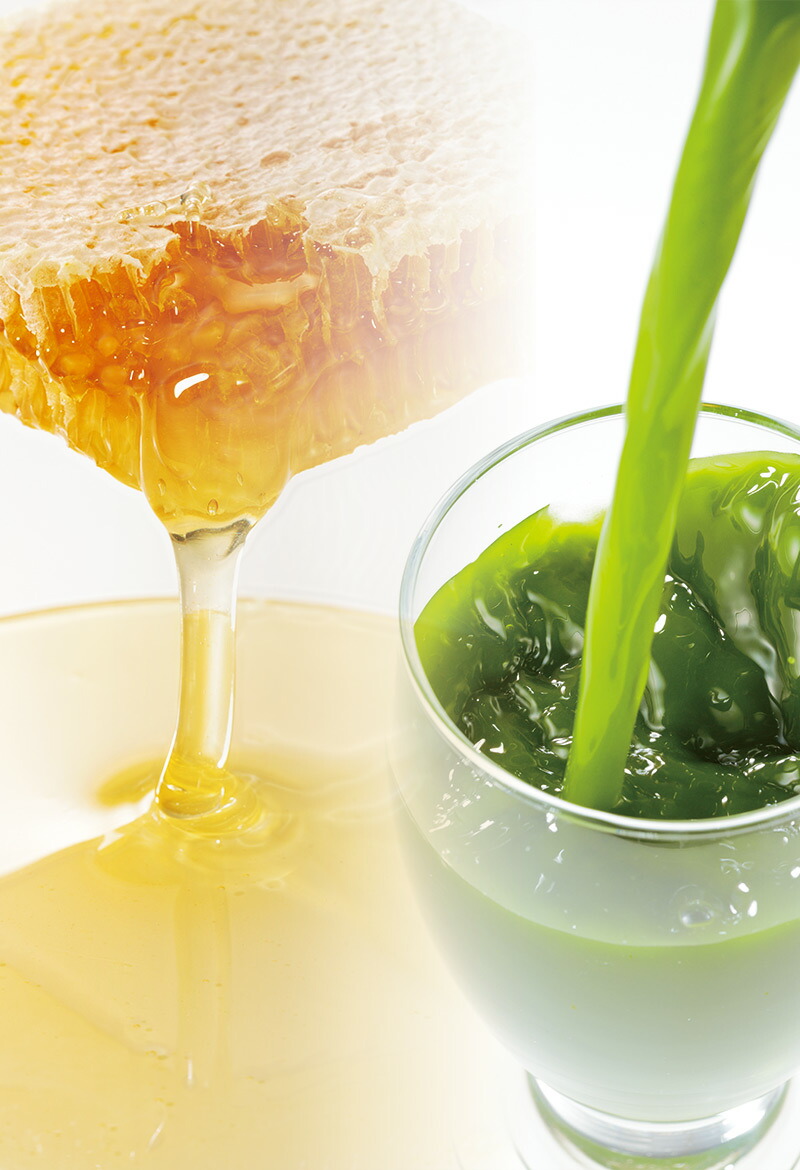
Deliciously tart with a satisfying sweetness and a slightly sour taste
- Carbohydrate 78.1262666666667 g
- Cholesterol 0 mg
- Fat 1.6094 g
- Fiber 11.2713334349791 g
- Protein 6.5242 g
- Saturated Fat 0.20005 g
- Serving Size 1 1 Serving (618g)
- Sodium 62.4566666666667 mg
- Sugar 66.8549332316875 g
- Trans Fat 0.621306666666667 g
- Calories 312 calories
Step-by-step
- Juice!
Avoiding Common Juicing Pitfalls
The primary error in green beverage formulation is overloading the feed chute with dense greens like kale without alternating with water-rich fruits. Packing more than two leaves of kale consecutively can stall the motor or create pockets of fibrous sludge rather than a smooth liquid. Another frequent misstep involves failing to core the pineapple properly. Leaving the tough central core intact introduces excessive starch, which thickens the drink into an unappealing puree and mutes the bright, sour notes of the fruit. Always peel and core the pineapple, and quarter the honeydew while discarding the fibrous seed cavity entirely.
Managing Texture and Yield
Beverage texture depends entirely on cell wall breakdown and filtration. Centrifugal extractors force produce through a mesh basket spinning at speeds exceeding 10,000 RPM, generating mild heat that can slightly alter the fresh taste if the machine runs continuously for longer than 60 seconds. Masticating juicers operate below 100 RPM, crushing produce slowly to preserve enzymes and reduce foam generation. To achieve a thin, uniform consistency, pass the extracted liquid through a fine-mesh stainless steel strainer immediately after processing to capture residual pulp fragments. Consume the juice within 20 minutes of extraction to prevent enzymatic oxidation and separation, or seal it tightly in a glass mason jar and store it below 40 degrees Fahrenheit for no longer than 12 hours.



