Chocolate Cupcakes with Cream Cheese and Chocolate Chip Filling
Try this Chocolate Cupcakes with Cream Cheese and Chocolate Chip Filling recipe, or contribute your own.
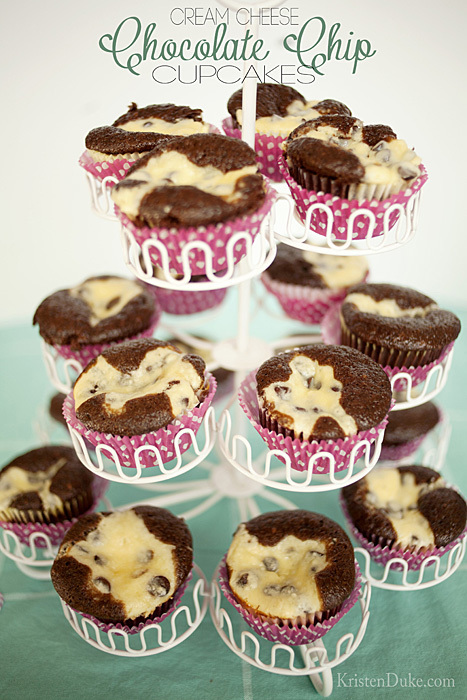
Try this Chocolate Cupcakes with Cream Cheese and Chocolate Chip Filling recipe, or contribute your own.
- Carbohydrate 1894.91663333333 g
- Cholesterol 460.98 mg
- Fat 283.21916 g
- Fiber 24.4110003948212 g
- Protein 76.41518 g
- Saturated Fat 96.733356 g
- Serving Size 1 1 Serving (2746g)
- Sodium 3566.57266666635 mg
- Sugar 1870.50563293851 g
- Trans Fat 19.587052 g
- Calories 10174 calories
Step-by-step
- Mix chocolate mixture ingredients well.
- Beat filling ingredients.
- Fill paper cups 1/2 full with chocolate mixture.
- Drop heaping teaspoon full of filling in the middle of each.
- Bake 350 for 25 minutes.
Standard ingredient lists rarely reveal the critical thermal behavior of dairy-heavy batters, which demand precise oven regulation to prevent the outer crumb from burning before the dense center sets. Maintaining an oven temperature of 350 degrees Fahrenheit ensures the starch gelatinizes properly while the cocoa solids brown without acquiring acrid, bitter notes from scorching. Measuring flour by weight rather than volume prevents dense, leaden textures that often plague oil-based batters containing high percentages of liquid and sugar.
Executing this recipe requires strict parallel workflow management, since the cream cheese filling must be completely smooth and ready in a piping bag or bowl before the chocolate batter portioning begins. Filling paper liners precisely halfway allows adequate expansion room for the leavening agents—specifically baking soda reacting with white vinegar—to create an even dome without overflowing the edges of standard muffin tins. Dropping the heaping teaspoon of filling directly into the center of the unbaked batter leverages fluid dynamics, allowing the heavier cheese mixture to sink slightly and stabilize during the twenty-five minute bake time.
Baking schedules depend heavily on ambient kitchen temperatures and humidity levels, which shift seasonally and alter how fast flour absorbs hydration from water and oil emulsions. While canned or shelf-stable dairy substitutes can replace fresh cream cheese in a pinch, fresh cultured dairy provides a distinct lactic acid tang and moisture retention that processed alternatives simply lack. Bakers monitoring the process must look for a springy surface texture and a clean withdrawal when inserting a wooden skewer into the chocolate portion, avoiding the softer cheese center.
Proper cooling prevents structural collapse, requiring cupcakes to sit in their hot metal wells for exactly five minutes before transferring to wire racks to reach room temperature. Storing these baked goods requires refrigeration due to the perishable dairy filling, though letting them temper for fifteen minutes before eating restores the fat emulsion and softens the chilled chocolate chips. Consuming them within three days guarantees optimal textural contrast between the tender crumb and the firm cheese core.



