Sambal Badjak
Try this Sambal Badjak recipe, or contribute your own.
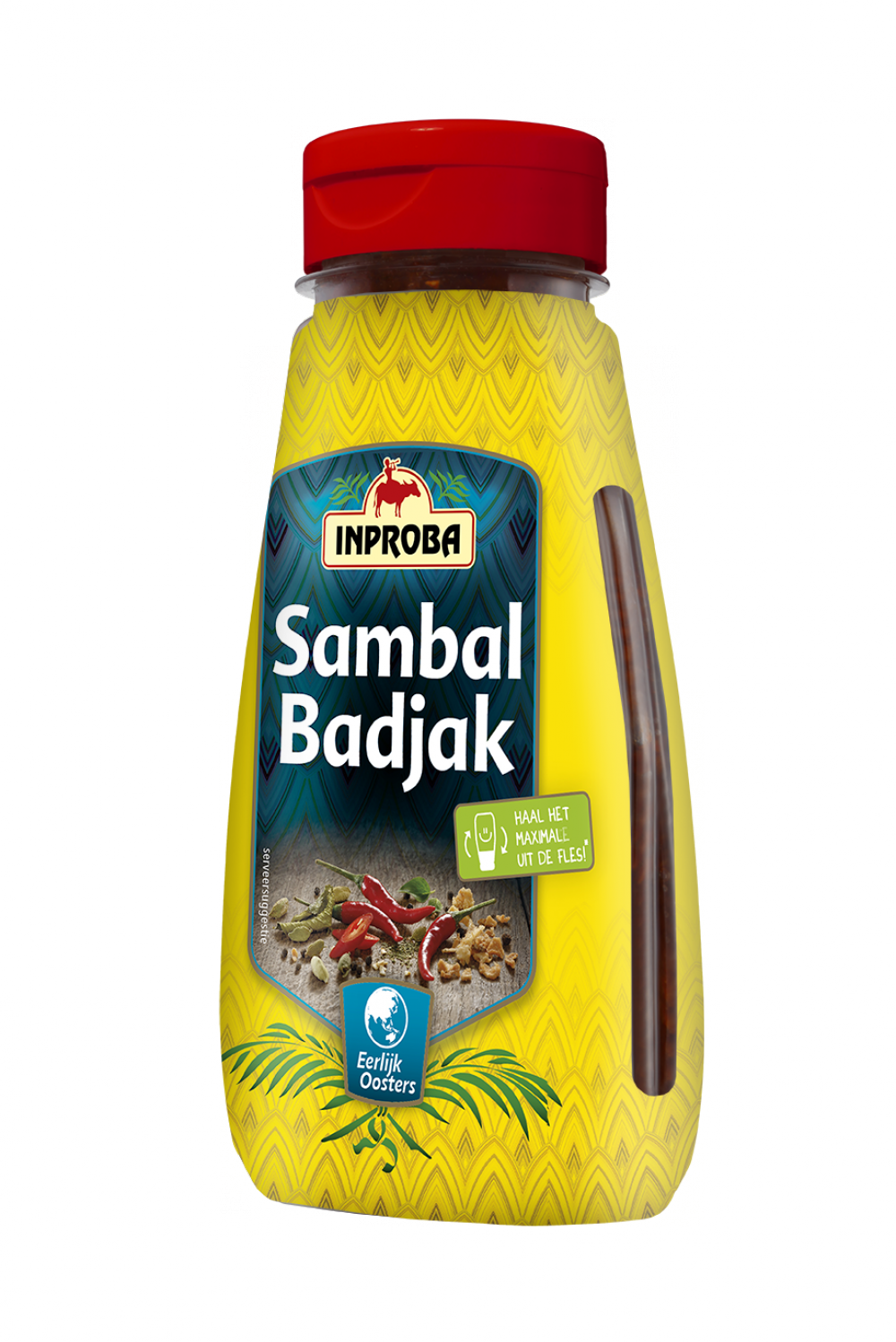
Try this Sambal Badjak recipe, or contribute your own.
- Carbohydrate 0 g
- Cholesterol 0 mg
- Fat 0 g
- Fiber 0 g
- Protein 0 g
- Saturated Fat 0 g
- Serving Size 1 1 Serving (500g)
- Sodium 0 mg
- Sugar 0 g
- Trans Fat 0 g
- Calories 0 calories
Step-by-step
- Wash the peppers and put them in a kitchen machine or meat mincer and mince until you have a paste.
- Put 4-5 spoons peanut oil in a frying pan and add the minced onions and garlic and bake until lightly colored.
- Then add the pepper paste and the rest of the spices.
- Add 3 spoons of lemon juice and approx. 2 full spoons of cane sugar.
- Bake until done (which will take approx. 10 minutes more) by frequently stirring, be careful that it doesn't burn; you can add some water if you like.
- Be sure you have enough ventilation.
- Don't forget to take out the Salam leaves and the Sereh parts.
A Culinary Adventure: My Sambal Badjak Journey
As a busy professional, finding time for elaborate cooking can feel like a luxury. But I crave the vibrant flavors of home-cooked meals. That’s why I’m always on the lookout for recipes that are both delicious and manageable, and my recent discovery of Sambal Badjak has completely changed my weeknight cooking routine. This Indonesian chili paste is surprisingly simple to make, yet delivers a complex, fiery kick that's simply irresistible. It’s far from a complicated process, even for someone like me, who sometimes struggles to balance work, family, and everything else life throws my way.
The beauty of Sambal Badjak lies in its simplicity. The ingredient list is short and straightforward, requiring no exotic or hard-to-find items. Fresh peppers form the base, lending a fiery heat that is balanced by the sweetness of sugar and the tang of lemon juice. The subtle earthiness of the garlic and onions adds depth, while the aromatic Sereh (lemongrass) and Salam leaves (Indonesian bay leaves) contribute a unique fragrance that elevates the entire experience. I found that using a good quality peanut oil made a real difference in the overall flavor. The nutty notes of the oil infused the paste with such richness, it was truly transformative. It's a recipe I have adapted and refined over time, tweaking the balance of spices to suit my preferences. I encourage you to do the same – experimentation is half the fun, and it's the perfect way to tailor the Sambal Badjak to your personal taste. For me, a little extra lemon juice adds a bright touch that complements the heat beautifully.
The process itself is remarkably easy. I’ve found that a food processor significantly speeds up the mincing of the peppers, which is probably the most time-consuming step. The subsequent frying process is just a matter of gentle simmering and stirring until the paste reaches the desired consistency. This recipe perfectly illustrates that achieving culinary excellence doesn't require hours in the kitchen. The vibrant red-brown color of the final product, rich and smooth, is a testament to the simplicity and effectiveness of the ingredients. The flavors are intense and unforgettable; it's a taste that stays with you long after you've finished eating. It’s far more than just a chili paste; it's a burst of sunshine on a plate, bringing a vibrant energy to any meal.
One of the things I love most about Sambal Badjak is its versatility. It's wonderful spread on bread, as suggested in the original recipe, especially alongside a slice of sharp Dutch cheese, creating a delectable contrast between sweet, spicy, and creamy. But the possibilities extend far beyond this. I've used it as a marinade for chicken, adding a fiery kick to my weeknight dinners. I’ve also incorporated it into stir-fries, where it adds a delicious depth of flavor and a pleasant warmth. Its versatility extends even further; a dollop added to noodles or rice will brighten even the simplest meals.
Beyond its culinary uses, making Sambal Badjak has become a therapeutic process for me. The rhythmic chopping, the fragrant steam rising from the pan – these simple actions become a small act of self-care amidst a busy week. It’s a connection to something bigger, a link to Indonesian culinary heritage, and a reminder that even amidst a hectic schedule, there's always time to create something delicious and comforting. The process is almost meditative – the rhythmic chopping, the careful stirring, the gentle simmering; it's an opportunity to slow down and appreciate the beauty of simple things. The end result, of course, is a truly delightful addition to any meal, but even the process of creation is enjoyable in itself.
So, whether you're a seasoned chef or a complete novice, I wholeheartedly recommend giving Sambal Badjak a try. It's a recipe that transcends the ordinary, offering a unique and unforgettable flavor experience with a surprisingly easy preparation. It's a recipe that I've incorporated into my life and found to be not just delicious, but surprisingly therapeutic.
And remember, the best part? You can adjust the spice level according to your own preference. Too hot? Add a little more sugar. Not hot enough? Add a few extra chilies! That's the beauty of this recipe – it's a blank canvas for you to express your own culinary creativity. It's a journey of flavor and exploration, and I encourage you to embark on it. You won't be disappointed.


