Louise's Easy No-Bake Cheesecake
This is super-easy, creamy and delicious, with a nice tang from the lemon juice.
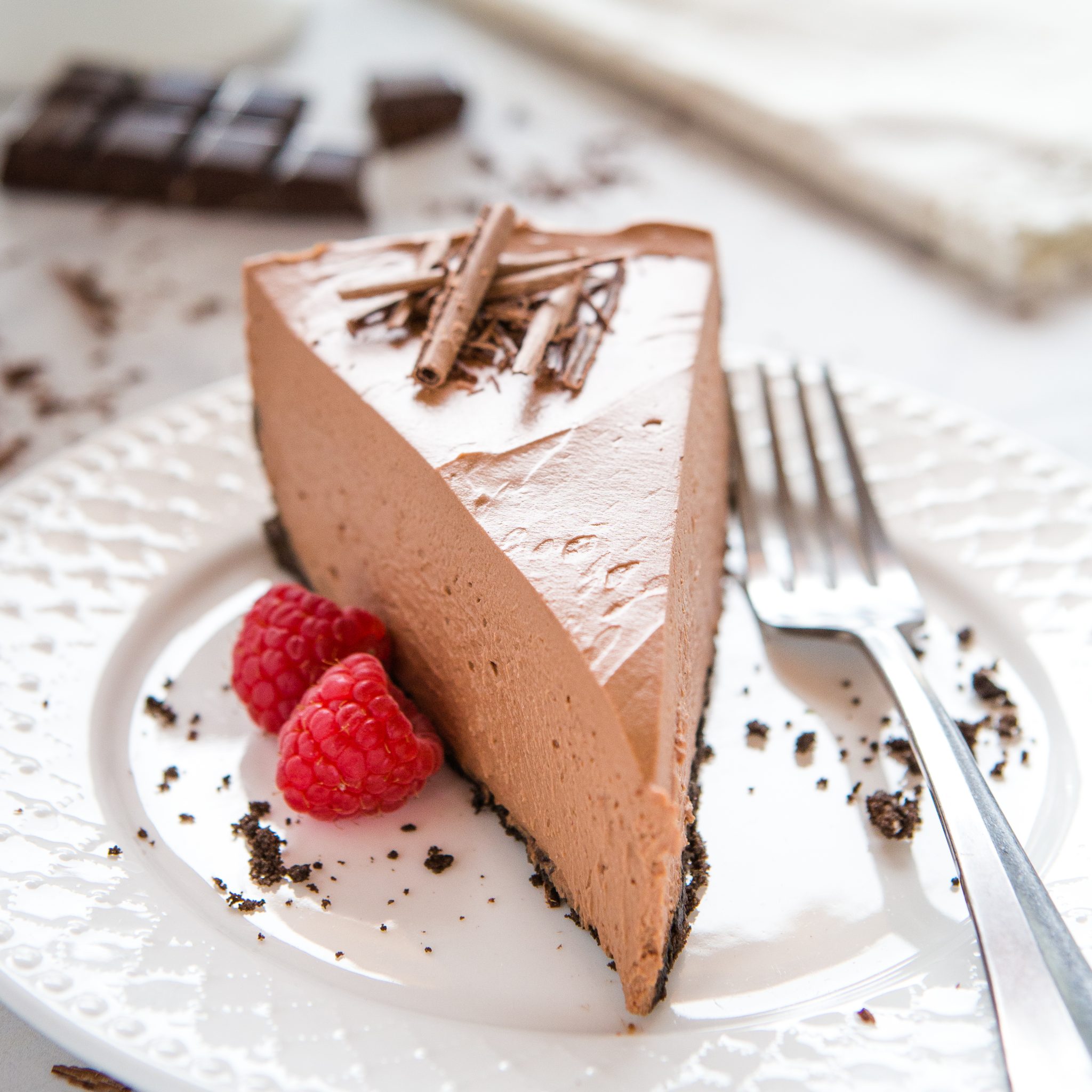
This is super-easy, creamy and delicious, with a nice tang from the lemon juice.
- Carbohydrate 26.2968150872044 g
- Cholesterol 40.4439806795027 mg
- Fat 11.7546186640688 g
- Fiber 0.0325333338181177 g
- Protein 4.98280366200588 g
- Saturated Fat 6.87888032571819 g
- Serving Size 1 1 Serving (77g)
- Sodium 132.430645479319 mg
- Sugar 26.2642817533862 g
- Trans Fat 1.32721186193459 g
- Calories 227 calories
Step-by-step
- In a blender combine the sweetened condensed milk, the lemon juice, & the vanilla.
- Slowly add in the cream cheese while blending.
- Pour into the pei crust & refridgerate overnight (or at least 4 hours.).
The Blending Mechanism
Recipes featuring cream cheese and sweetened condensed milk demand careful equipment management to achieve a smooth texture without lumps. A standard upright blender handles this task efficiently, but the motor must run on a moderate speed when the dense dairy is introduced. Drop the cream cheese into the spinning blades one tablespoon at a time rather than adding the entire eight-ounce block at once. This incremental addition prevents the cold cheese from seizing against the blades and ensures the fresh lemon juice incorporates fully to start the thickening reaction.
Crust Selection and Structure
Pre-made graham cracker or chocolate pie crusts offer convenience, yet they introduce structural challenges regarding moisture containment. Because the liquid filling contains significant moisture from the condensed milk and juice, standard commercial crumb crusts require adequate support on wire racks during pouring. Handle the fragile foil-lined pie tins gently to avoid cracking the base before the filling is added. Pour the blended mixture directly from the blender pitcher in a steady, circular motion to level the surface evenly across the base.
Chilling Parameters
Refrigeration transforms the liquid batter into a sliceable dessert through the natural firming properties of chilled dairy fat and the acid reaction of citrus on milk proteins. The minimum four-hour chilling window is mandatory for structural integrity, though leaving the pie covered in the refrigerator overnight yields cleaner slices. Set the refrigerator temperature between 35 and 38 degrees Fahrenheit to guarantee proper setting without ice crystal formation. Run a thin, warm metal spatula around the inner rim of the crust before slicing portions.



