Chocolate Banana Cake
Was looking for a new way to use old bananas and buttermilk Great moist cake But a bit too sweet If I make it again I will cut the sugar amount
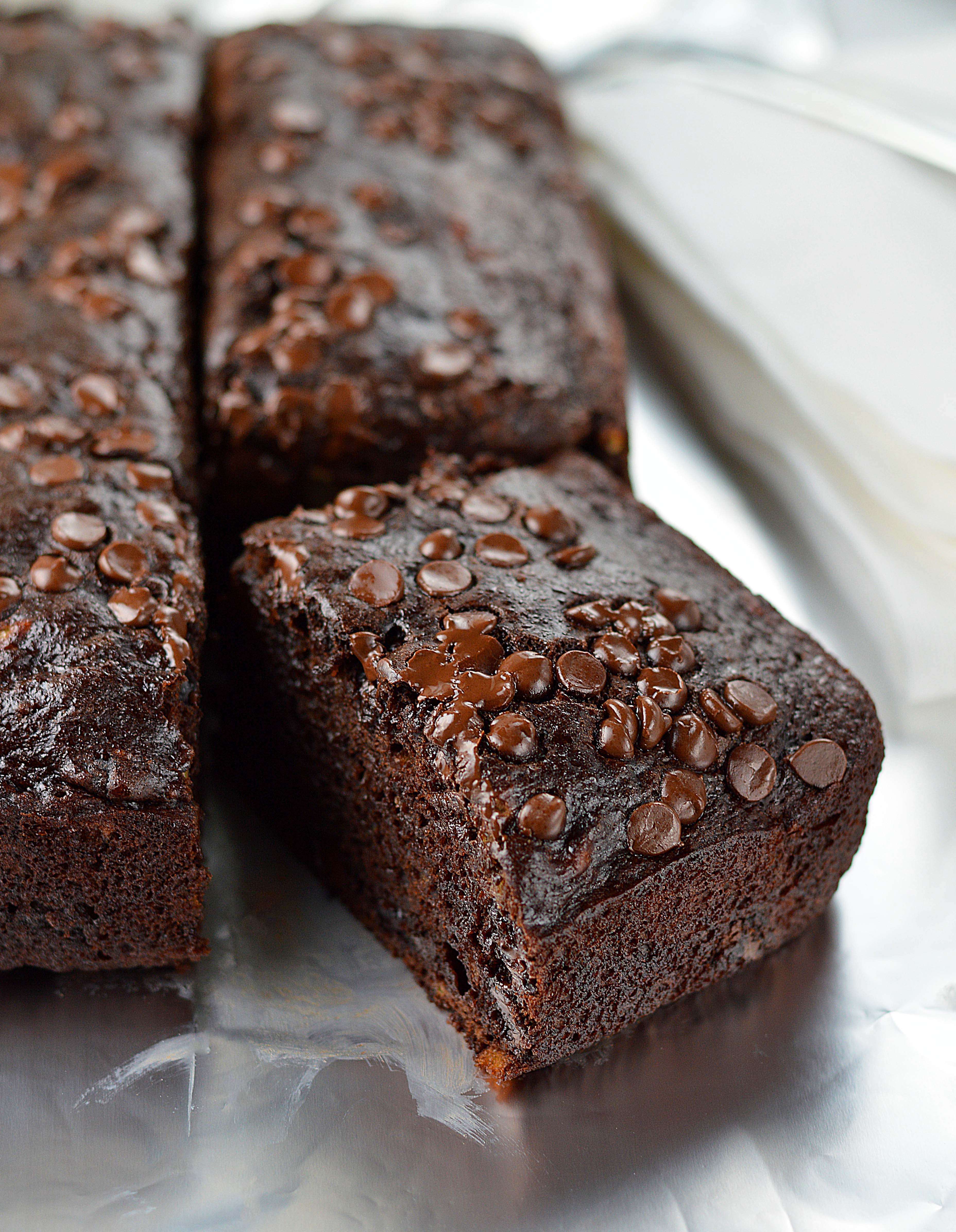
Was looking for a new way to use old bananas and buttermilk Great moist cake But a bit too sweet If I make it again I will cut the sugar amount
- Carbohydrate 94.6762795000001 g
- Cholesterol 86.392 mg
- Fat 37.6081156666667 g
- Fiber 2.62872167177201 g
- Protein 8.80083316666667 g
- Saturated Fat 4.15697416666667 g
- Serving Size 1 1 Serving (224g)
- Sodium 390.9972 mg
- Sugar 92.0475578282281 g
- Trans Fat 0.946277166666671 g
- Calories 743 calories
Step-by-step
- Preheat oven to 350 and grease and flour 13x9 pan.
- Stir together 1st 6 ingredients (dry ingredients) in a medium bowl.
- In large mixer bowl beat eggs with mixer until fluffy.
- Beat in oil, water and vanilla.
- Alternate adding flour mixture with the buttermilk, 4 additions of buttermilk and 3 of flour mixture, beginning and ending with buttermilk.
- Beat in banana until smooth and pour into pan.
- Bake 40 to 45 minutes or until it springs back lightly when touched.
- Cool.
Bakers frequently err by using firm yellow fruit rather than heavily speckled, dark-skinned bananas that yield proper natural sweetness and moisture. Overripe fruit releases starches that break down into simple sugars, softening the crumb structure while contributing essential liquid. Selecting fruit with blackened peels ensures the puree blends seamlessly into the batter without leaving dense, starchy pockets.
Combining acidic buttermilk with baking soda creates immediate carbon dioxide production, driving the rise in heavy chocolate batters without requiring chemical leaveners to work entirely alone. Alternating the dry ingredients with the liquid dairy prevents gluten networks from overdeveloping, maintaining a tender crumb rather than a tough, elastic texture. Measure the flour by spooning it into the vessel rather than scooping directly from the bag, preventing excess compaction that ruins the final density.
Vegetable oil replaces solid fats here, remaining liquid at room temperature and coating flour proteins to inhibit excessive gluten formation. Cocoa powder introduces complex acidity that balances the high sugar content present in standard formulations. Sifting the cocoa with the flour eliminates stubborn lumps before the wet ingredients enter the bowl.
Bake the batter in a greased 13x9 inch pan at 350 degrees Fahrenheit for 40 to 45 minutes until the center springs back lightly under fingertip pressure. Cool completely on a wire rack before slicing to allow the interior starches to set fully, preventing crumbling during portioning.



