Peggy's Texas Sheet Cake
Everyone needs a good sheet cake recipe. Thanks to Peggy H I have one. I great dessert to take to a potluck meal.
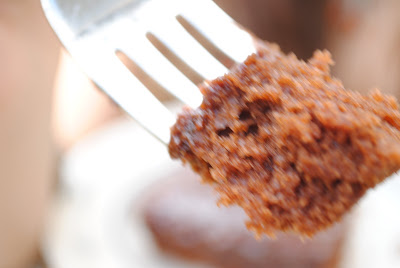
Everyone needs a good sheet cake recipe. Thanks to Peggy H I have one. I great dessert to take to a potluck meal.
- Carbohydrate 92.8221770833333 g
- Cholesterol 73.7666666666667 mg
- Fat 29.7235975 g
- Fiber 1.88668753862381 g
- Protein 6.30144125 g
- Saturated Fat 7.93205166666667 g
- Serving Size 1 1 Serving (197g)
- Sodium 406.5155 mg
- Sugar 90.9354895447095 g
- Trans Fat 1.25593683333333 g
- Calories 645 calories
Step-by-step
- Mix 1st 3 ingredients in large mixing bowl.
- In sauce pan, melt butter, add water and cocoa, bring to a boil.
- Stir into flour mixture.
- Mix baking soda, eggs, sour creme and vanilla together. Add to the rest.
- Pour batter into a greased and floured 13"x15" jellyroll pan.
- Bake 15-20 minutes at 350 degrees. Cake is done when toothpick inserted in middle comes out clean.
- Mix frosting ingredients together with a mixer. Pour over a slightly cooled cake.
Most bakers test sheet cakes by jabbing them randomly and hoping for the best. That strategy ruins crumb integrity and leads to dry edges. Precise visual and tactile cues tell you exactly when the sponge is done without destroying its surface.
Judging Doneness Visually and Tactically
Bake this cake at 350 degrees for 15 to 20 minutes in a 13-inch by 15-inch jellyroll pan. The surface will lose its wet gloss and develop a matte finish. Insert a wooden toothpick into the exact center of the pan. Zero wet batter should cling to the wood when it is pulled out. A few moist crumbs are acceptable, but liquid streaks mean the center needs another minute. Watch the edges carefully. They should shrink away from the sides of the metal pan by a fraction of an inch when the crumb is fully set.Controlling Crumb Texture
Proper mixing prevents the dense, rubbery texture that plagues many large-format cakes. Whisk the dry elements thoroughly to distribute the 1 teaspoon of baking soda evenly through the flour. Lumps of leavening create bitter pockets and uneven rise. Over-beating the eggs after adding them toughens the gluten network. Fold the wet components into the dry base just until combined. Pour the finished batter immediately into a greased and floured pan. Pour the sweet topping over the sponge while the cake is still slightly warm to fuse the layers properly.


