Pumpkin Chips
Once upon a time, I was working in Raleigh, North Carolina, and living in Minnesota I found this neat little grocery store that had gourmet jams, great seafood, fresh peanut butter, and pumpkin chips. Those pumpkin chips were really good. Since then, I've found that you can make your own and fresher is better.
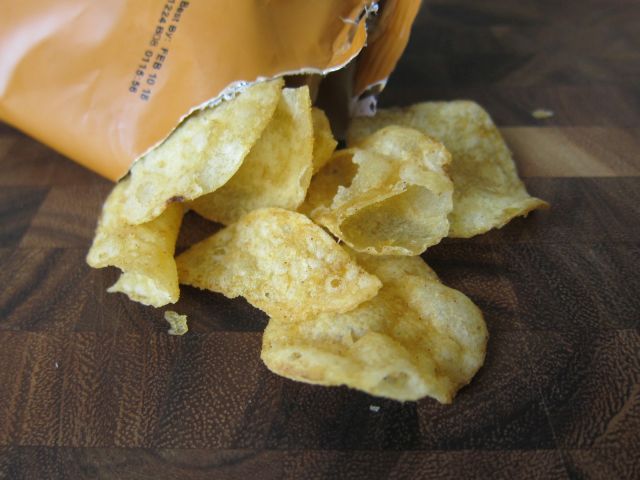
Once upon a time, I was working in Raleigh, North Carolina, and living in Minnesota I found this neat little grocery store that had gourmet jams, great seafood, fresh peanut butter, and pumpkin chips. Those pumpkin chips were really good. Since then, I've found that you can make your own and fresher is better.
- Carbohydrate 0 g
- Cholesterol 0 mg
- Fat 0 g
- Fiber 0 g
- Protein 0 g
- Saturated Fat 0 g
- Serving Size 1 1 Recipe (0g)
- Sodium 0 mg
- Sugar 0 g
- Trans Fat 0 g
- Calories 0 calories
Step-by-step
- Preheat your deep-frying oil to 375 degrees.
- Peel a pie pumpkin. Using a food processor, mandolin slicer, or rotary slicer, slice the pumpkin into thin slices—not more than 1/8-inch thick.
- Fry the chips a few at a time. Drain on paper towels. Salt to taste.
Maintaining a precise oil temperature of 375 degrees Fahrenheit prevents raw pumpkin slices from absorbing excess grease before the moisture can evaporate. Thick, water-dense vegetables release significant steam upon contact with hot fat, meaning overcrowding the fryer will rapidly drop the oil temperature and yield soggy results. Pie pumpkins work best here because their dense, less fibrous flesh holds together during slicing much better than large decorative field varieties.
Processing the raw squash requires a mandolin slicer set strictly to one-eighth inch or thinner to ensure the slices crisp evenly without burning. Frying them in small batches allows constant observation of the color change from bright orange to deep golden brown. Once crisp, immediate transfer to paper towels absorbs surface oil while active salting while hot helps the seasoning adhere properly.
Storing leftover chips in an airtight container at room temperature preserves their texture for up to forty-eight hours, though crispness inevitably diminishes as residual starches absorb ambient humidity.



