Pulled Pork Meal
Pulled Pork, done lazily with a side of sweet potato fries for a good meal for a treat
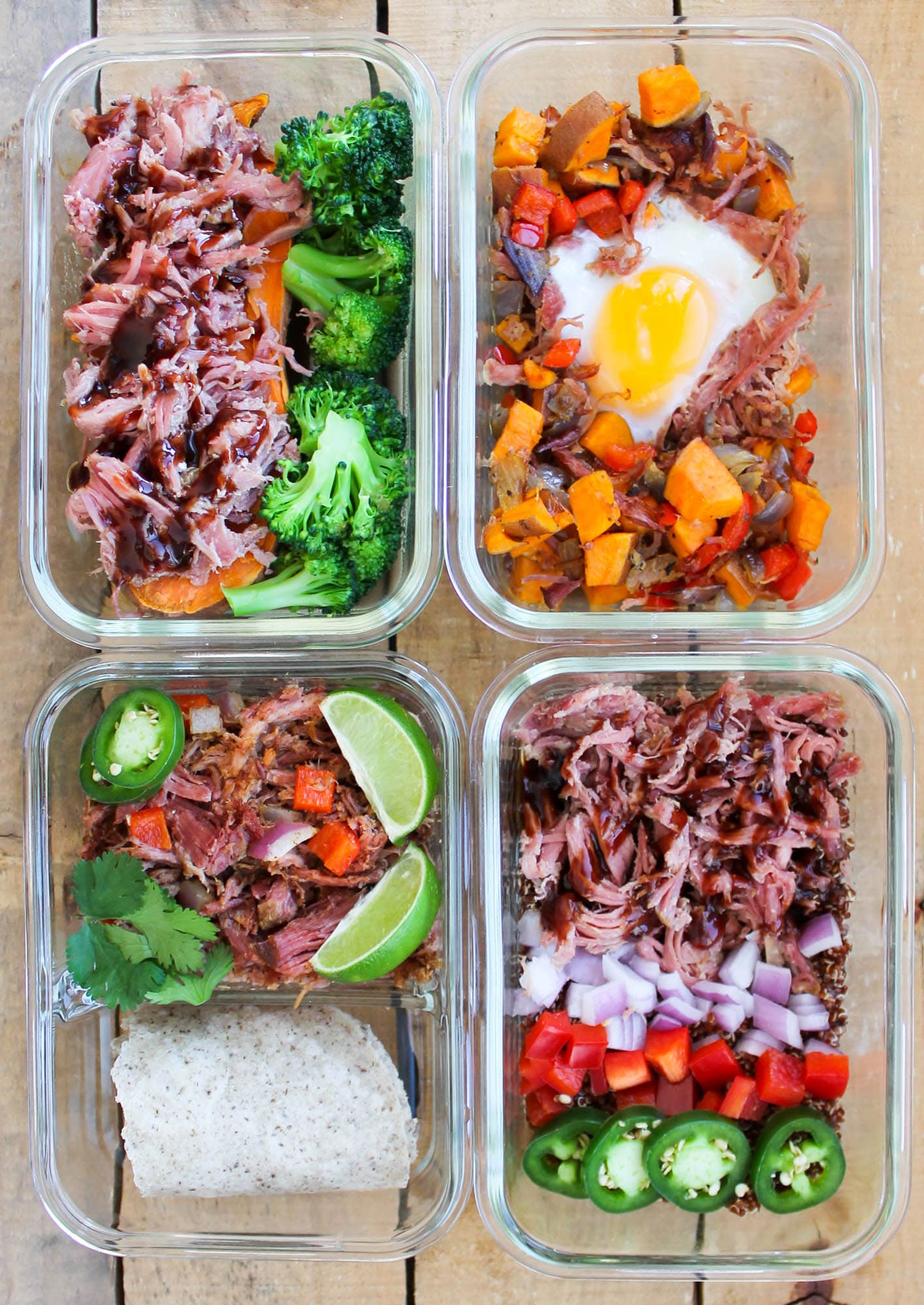
Pulled Pork, done lazily with a side of sweet potato fries for a good meal for a treat
- 1 lb pork shoulder (butt) half a lb per person suits nicely
- 1/4 cup ketchup with balsamic vinegar (i use the ltd edition heinz one)
- 1/4 cup jack daniel's bbq sauce it tastes much better in stuff
- splash lea and perrins worcester sauce
- splash soy sauce
- 1/2 teaspoon garlic the lazy pre chopped stuff
- 330 ml dr pepper or coke, dr pepper just has more flavoir
- 2 sweet potatoes cut to thick 'chips
- splash olive oil
- 2 burger buns
- Carbohydrate 33.0800732457995 g
- Cholesterol 2.52487726716368 mg
- Fat 4.08748897963725 g
- Fiber 1.27713863291427 g
- Protein 6.89956178034939 g
- Saturated Fat 0.868549560587515 g
- Serving Size 1 1 Serving (421g)
- Sodium 338.452553799933 mg
- Sugar 31.8029346128852 g
- Trans Fat 0.446066618337598 g
- Calories 197 calories
Step-by-step
- To begin, you will need around a 1lb of pork shoulder. Its pretty cheap in the supermarkets, but you'll often find they are much larger. I just split it to make even more (as this is well tasty!). Place the pork in a crock-pot and start to add in your 'marinade' or bbq sauce. There is no set order to it, and i have developed my version from trying out other recipes and digging in my cupboards for nice flavours.
- Add the Dr Pepper, or coke, or maybe even root beer (ive not tried that though), it doesn't seem to matter if its diet or not, but I use full sugar as it caramelises to a nicer sauce later on. Add in the ketchup, bbq sauce, worcester sauce, the garlic and some soy sauce and mix it in niceley all over the pork so its even and not lumpy.
- Place the lid on, and turn on low for 4-4.5 hours. That's it!
- Half an hour before your pork is due to be shredded, cut the sweet potatoes into fries and place on a large baking tray and splash the olive oil over. I sometimes add a bit of salt or some more worcester sauce just to mix it up a bit, but it doesn't matter. These then go in the oven (on around 200oC) for half an hour. Make sure you make more than you think as they do shrink, and taste really nice!
- When the pork is ready, remove from the crock-pot and shred with 2 forks, cover it with foil to keep warm whilst you take the sauce from the crock-pot and place in a pan to reduce down to make a thick sauce. Once thickened it is time to serve.
- Cutting the burger baps in half, place the pork on and douse with the bbq sauce and serve with the sweet potato fries. YUM
The ingredient list fails to mention how collagen behaves when subjected to moist heat over several hours. Pork shoulder contains dense connective tissue that refuses to tenderize unless held at a steady temperature between 85°C and 95°C for multiple hours, allowing tough intramuscular proteins to dissolve entirely into gelatin. Without this thermal threshold, the meat remains stubbornly chewy regardless of how long it sits in liquid.
A common error involves shredding the meat directly inside the cooking vessel without draining the remaining liquid. The slow cooker accumulates significant moisture from rendered fat and soda, which dilutes the sauce and results in soggy sandwiches. Removing the pork before processing allows the liquid to transfer into a wide saucepan where surface area accelerates evaporation. Simmering that residual liquid over medium-high heat concentrates the sugars from the ketchup, barbecue sauce, and cola until the mixture coats the back of a spoon.
Sweet potatoes present a separate textural challenge. Cutting fries thicker than one-half inch prevents the exterior from burning before the starchy interior cooks through completely. Roasting them at 200°C on a preheated baking sheet provides the necessary bottom-heat shock to crisp the edges.
Substituting root beer or standard colas for Dr Pepper alters the final acidity level, requiring minor adjustments to the Worcestershire and soy sauce proportions to maintain savoriness.



