Home Made Pierogi
Making pierogi at home is easier than you think! This recipe provides a simple method for creating delicious pierogi with your choice of filling.
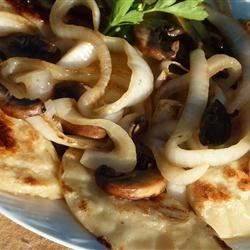
Making pierogi at home is easier than you think! This recipe provides a simple method for creating delicious pierogi with your choice of filling.
- Carbohydrate 64.5
- Cholesterol 70
- Fat 6.4
- Protein 11.3
- Sodium 132
- Calories 368 calories;
Step-by-step
- In a large bowl, beat together eggs, carton sour cream, and salt.
- Stir in flour and warm water. Add water until dough feels like velvet.
- Turn out onto a lightly floured board, and knead until smooth.
- Roll out to a 1/8 to 1/4 inch thickness.
- Cut out 3 1/2 inch circles with either the top of a glass or a biscuit cutter.
- Cover with waxed paper to prevent drying out if not filling immediately.
- Place 1 or 2 tablespoons filling on one side of a circle of dough.
- Fold over, and seal by pressing the edges with a fork.
- Repeat until ingredients are used.
- Bring a large pot of water to a boil.
- Immerse pierogi.
- Cook until the dumplings float to the surface.
Homemade Pierogi: A Taste of Tradition
The aroma of freshly cooked pierogi, those delightful little dumplings filled with savory goodness, instantly transports me back to my grandmother's kitchen. It's a memory filled with warmth, laughter, and the comforting feeling of family gathered around a table laden with food. Making pierogi isn't just about cooking; it's about creating a connection to heritage and sharing a piece of my cultural identity. And you know what? It's surprisingly easy!
For years, I believed making pierogi was a daunting task, something reserved for experienced cooks with secret family recipes. I envisioned intricate folding techniques and a kitchen covered in flour. The truth, however, is far simpler. This recipe is my go-to, a simplified version that captures the essence of traditional pierogi without the unnecessary fuss. The dough is soft and pliable, easy to work with even for a novice. The key is to let the dough rest after kneading; this allows the gluten to relax, resulting in a more tender pierogi.
What I love most about pierogi is their versatility. You can fill them with anything your heart desires—savory sauerkraut, creamy potato and cheese, or even sweet fillings like fruit preserves. The possibilities are endless! The recipe I’ve shared provides a basic dough recipe, allowing you to experiment and personalize your pierogi to match your preferences. The joy of cooking pierogi isn't simply in the result but in the process. The gentle kneading, the careful folding of each dumpling, it’s a meditative act that helps calm the soul and allows for mindful focus.
Remember, don't be afraid to experiment with different fillings! Perhaps you’ll discover your own signature pierogi filling. And most importantly, share your creations with loved ones. The taste of homemade pierogi is far superior to store-bought options, but the true satisfaction lies in sharing this traditional dish with those you cherish. The warmth and happiness it brings is a priceless ingredient in itself.
Beyond the culinary aspect, making pierogi has become a meaningful ritual for me. It's a way to connect with my roots, to honor my heritage, and to share a piece of my family's history with others. Each pierogi I create holds a piece of my family’s love and tradition, and sharing them feels like gifting a piece of my heart.
So, gather your ingredients, put on some relaxing music, and let's embark on this culinary adventure together. You’ll find this recipe simple yet rewarding. More importantly, you’ll create a dish that carries memories, traditions, and above all, love. Happy cooking!
Beyond the Recipe: Pierogi and the Power of Tradition
Pierogi making isn’t simply a recipe; it’s a journey through generations, a culinary legacy passed down through families. The process transcends the simple act of assembling ingredients; it's about preserving a tradition, sharing a piece of cultural heritage, and strengthening family bonds. The delicate dance of flour, water, and eggs transforms into something far more significant: a tangible link to the past and a testament to the enduring power of tradition.
The aroma alone holds a profound power, invoking memories of childhood, family gatherings, and the comforting presence of loved ones. It’s a scent that evokes feelings of belonging and nostalgia, reminding us of the simple joys of life and the importance of shared experiences. It's about more than just eating; it’s about connecting with the past and savoring the rich tapestry of our cultural heritage. This recipe isn’t just a way to make pierogi; it's a way to connect with something bigger than ourselves, to celebrate our roots, and to create lasting memories.
Whether you're a seasoned chef or a beginner in the kitchen, this pierogi recipe offers a gateway to a world of culinary traditions and a chance to create something truly special. It's an opportunity to connect with family, share a bit of your history, and enjoy the simple pleasures of home-cooked goodness. So, embrace the tradition, enjoy the process, and savor the delicious results.
Tips for Pierogi Perfection:
- Dough Consistency: The dough should be soft and pliable, like velvet. If it's too sticky, add a little more flour; if it's too dry, add a touch of water.
- Filling Variety: Experiment with different fillings! Sweet fillings, such as fruit preserves or Nutella, offer a delightful twist on the traditional savory pierogi.
- Freezing for Later: Uncooked pierogi freeze beautifully! Arrange them on a baking sheet lined with parchment paper, freeze until solid, and then transfer to a freezer bag for long-term storage.
- Cooking Technique: Gently drop the pierogi into boiling water; avoid overcrowding the pot. Cook until they float to the surface, indicating they are cooked through.
- Serving Suggestions: Serve your pierogi hot, with a dollop of sour cream or a sprinkle of fresh herbs. A side of sauteed onions or a simple salad complements them perfectly.



